
Why We Use Surgical-Grade Stainless Steel (AISI 410, 420 & 316L)
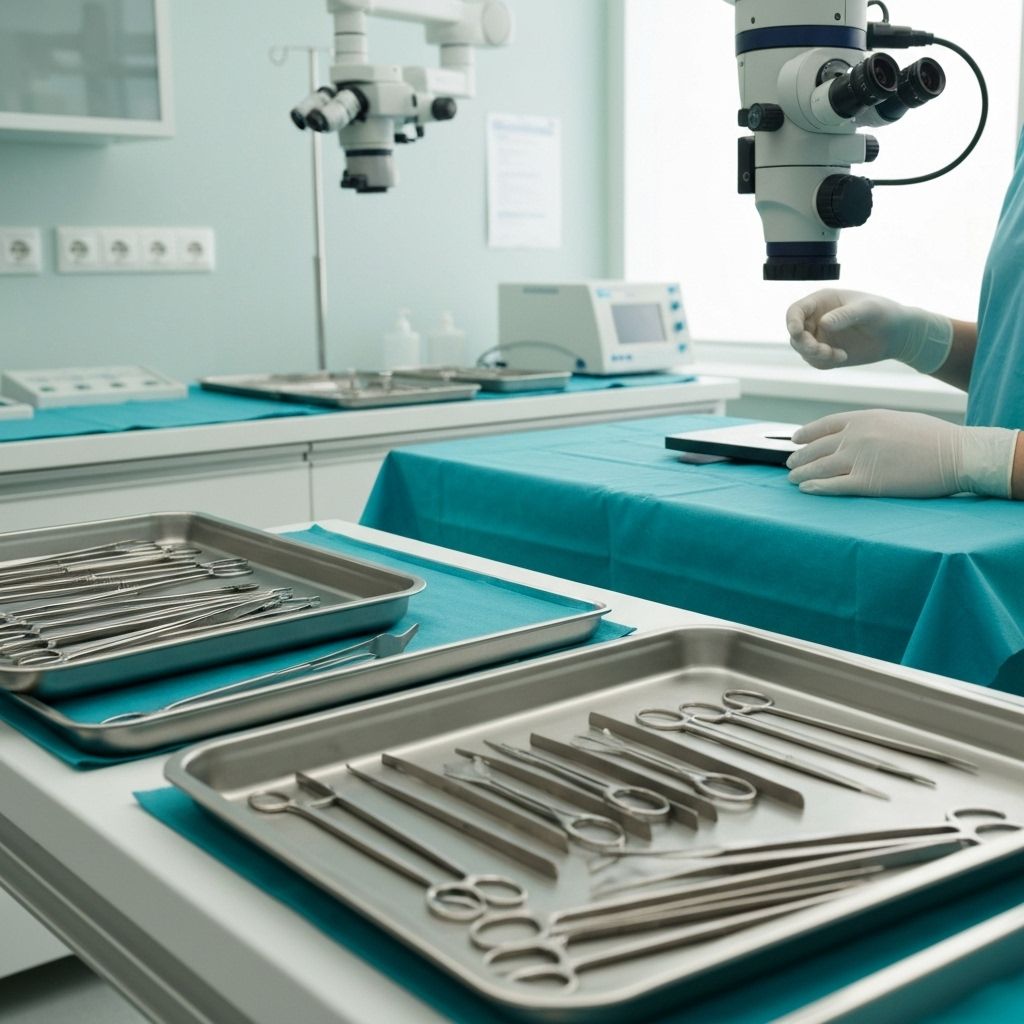
- AISI 420 offers high carbon content for maximum blade sharpness and cutting longevity.
- AISI 410 provides superior flexibility and ductility for tissue clamps and forceps.
- AISI 316L provides non-magnetic properties essential for specialized procedures.
### Understanding Surgical Alloys
Selecting the correct raw steel grade is critical to manufacturing long-lasting medical tools. Not all stainless steel is equal; surgical instruments require specific crystalline structures to resist corrosion, body fluids, and autoclave heat cycling.
Martensitic Stainless Steels (AISI 410 & 420)
Martensitic stainless steels can be heat-treated to high hardness levels: - **AISI 420 (High Carbon)**: Used extensively for scissors, bone chisels, scalpel handles, and elevators where edge sharpness is paramount. - **AISI 410 (Medium Carbon)**: Used for hemostatic clamps, dressing forceps, and retractors requiring tough, spring-like properties without brittleness.
Austenitic Stainless Steel (AISI 316L)
Austenitic steel contains nickel and molybdenum: - Non-magnetic and non-hardenable by heat treatment. - Provides extreme corrosion resistance against saline solutions and harsh chemical disinfectants. - Ideal for surgical trays, retractors, and suction tubes.
Why Quality Matters
Substandard steel can pit, stain, or fracture during surgical procedures. Lykaven sources certified stainless steel batches accompanied by raw material mill test certificates to ensure compliance with global healthcare standards.
Need Custom Medical Instrument Manufacturing?
Our engineering team can assist you with custom steel selection, CAD pattern design, and private label packaging.
Explore OEM Services